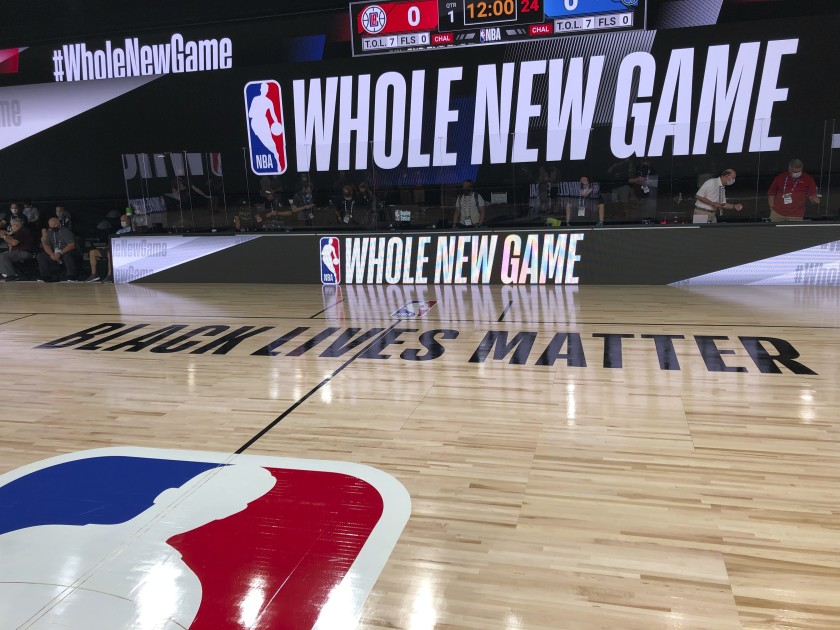
Photo by Tim Reynolds/Associated Press
The NBA risked an immense undertaking with the creation of the Bubble environment to continue the 2019-2020 NBA season. The result? Fulfilled storylines, breakout stars, and historical upsets. But with a 150 million dollar price tag and further costs to boot, was it really worth it?
When the NBA decided to implement the bubble taskforce to continue play in the 2019-2020 season, it was a groundbreaking and risky play on the part of commissioner Adam Silver and other NBA front office associates. On one part, it meant the NBA was the forerunner of having devised an actual plan to return sports to audiences during the COVID-19 pandemic. On another part, it was a predictably economically taxing plan that saw the NBA mount heavy losses in revenue.
150 million dollars. That was the end cost the bubble mounted, with the NBA catering players to housing, dining, and entertainment services at the highest level that allowed their professionals to play at their best. Even if that was the final deficit, that would be a hefty bill for the NBA to pay, but the negatives did not end there. During a regular season, it is estimated that 40 percent of the league’s earnings come from ticket sales and in-game spending. Obviously, there are no fanfare within the NBA bubble, which leads us to the next question: where did the bubble see its profit?
The answer is blurry. After all, it is suspected that the bubble plan found its roots in a desperate attempt for the NBA to appease its billion dollar TV deals with their small screen partners. With ESPN, TNT, ABC, and others who paid the NBA millions and billions of dollars to host its product on their respective channels on the NBA’s back to somehow find restitution, the NBA simply had to find some sort of out. So, even going into the bubble, profit was a question that NBA executives had a hard time describing how to gain. Even with TV ad revenue, it is reported that the NBA lost 10 percent of its revenue total this season, a number no doubt greatly contributed by the bubble project.
So now, the question is: was it worth it? The answer may vary from person to person. For some, the money might be an issue to large to ignore. For others, regular Joes that care less about money talk and more for the game itself, the answer may be that the bubble was, in fact, worth it.
Here’s my take. Why do I, along with so many others, watch NBA basketball? Well, because its exciting. Because I like to follow teams, players, and narratives that have developed over seasons, years, or perhaps even decades. Because I love to see the history of the game unfolding in my very eyes, being able to experience the great sports moments of now that will no doubt be discussed for the rest of time going forwards. So did the bubble inhibit any of that? My answer is no. Let’s be honest here, basketball in the bubble, or at least the storylines that were happening in the bubble, was amazing. Looking back at the narratives, we had:
- Devin Booker and Damien Lillard’s insane pre-playoff performances that got us excited for the Blazers, and more surprisingly, the Suns
- Luka magic against the Clippers
- Insane buzzer beaters, especially OG Anunoby’s thriller of a shot against the Celtics
- The Denver Nugget’s insane upstart performance against the Los Angeles Clippers
- The Miami Heat’s rise to greatness with rejects and rookies
- The Los Angeles Lakers making Kobe proud with their finals win
- Lebron’s 4th ring, a headmark of his newly found argument for G.O.A.T. status,
And counting. These moments included couch-jumping excitement, respectful claps towards hard-fought opponents, and tears watching a prophecy fulfilled.
Yes, the bubble came at a cost. A large cost. But more than just money, it was a statement piece that the nation’s greatest entertainment; sports, were back in fashion. It was a statement piece from players, old veterans and new upstarts, that they can make things exciting. So to answer the question; was the bubble worth it?
Yes. Yes it was.
 Tenny Kim